

How to Choose the Right Home Tutor
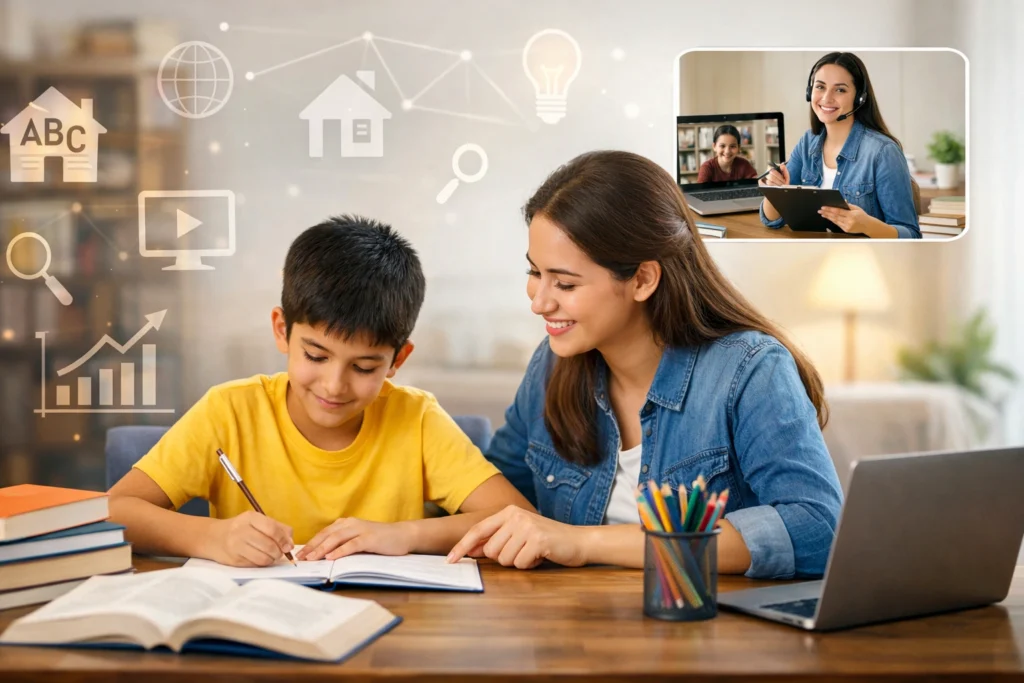
How to Choose the Right Home Tutor? Home tutors can make learning feel easier and more comfortable for children. Choosing the right tutor at home is not only about improving academic marks. Many parents look for home tuition when their child needs extra help, personal attention, or a comfortable way of learning. Home Tutor selection generally comes into focus when parents notice their child needing extra academic support or confidence. While schools provide systematic learning, not every child is able to keep up with classroom speed. Because of this, doubts can remain unclear and slowly affect performance. A home tuition can help students by offering them personal attention, flexible teaching methods, and a familiar environment. As a result, children feel more relaxed, ask questions freely, and understand lessons better with time. Home Tutor vs Coaching Institute It is a good thing to compare a home tutor with a coaching institute before making a decision for children. Coaching institutes follow a fixed schedule and group-based teaching methods. On the other hand, home tuitions focus on one child at a time. In addition, tuition at home reduces travel stress and allows parents to stay involved in the progress of their child. Parents can also explore trusted Home Tutor Services like HomeShiksha to find suitable tutors easily. Further, the following points can help parents learn more about home tuitions and coaching institutes: Home Tuition vs Coaching Institute Factors Home Tutor Coaching Institute Learning Style Personalised teaching Group-based learning Attention One-to-one focus Shared among students Comfort & Safety Learning at home Travel and crowd exposure Cost vs Value Learning-focused value Fixed package pricing Parent Involvement Easy to monitor Limited interaction Flexibility Adjustable timings Fixed schedules How to Choose the Right Home Tutor for Your Child Finding the right tutor at home becomes easier when parents focus on how comfortable the child feels while studying. A good tutor explains lessons slowly, listens to doubts, and changes teaching style if needed. Further, here is how you can check whether a tutor is suitable for your child or not: Checking the qualifications of the tutor A home tuition teacher should have good subject knowledge along with the ability to explain clearly to the students. However, qualifications are more effective when paired with good explanation skills and a calm teaching approach. You can check the following points to check the ability of the tutor: Subject-Wise Tutor Selection Each subject has its own learning style, and the right home tutor understands these differences. Therefore, choosing tutors based on subject needs often supports better learning progress. For example, they can consider a logical explanation of concepts with regular practice for Maths and Science. For Languages, they should check for a balanced focus on reading, writing, and speaking. Opt for a Trial Class A trial class can give parents and children a practical idea of how home tuition sessions will feel. It also helps parents observe the comfort levels of the tutor and student before continuing for the long term. Taking trial classes can help parents notice: Red Flags Parents Should Avoid Many tutors are dedicated, clear, and proficient in teaching their subjects. However, not every tutor suits every child. There can be many psychological and emotional reasons behind this. Further, paying attention during early sessions helps parents make informed decisions. Additionally, these are the signs that parents should keep in mind while hiring a tuition teacher: Questions Parents Can Ask Before Hiring Open conversations between the parent, tutor, and child can help build trust in tuition at home arrangements. Asking a few simple questions helps set clear expectations for tuition at home. Further, here are a few examples parents can ask to the tutor: How Home Tuition Solves the Top Reasons Students Struggle in School Many students face learning challenges due to limited attention, unclear concepts, or emotional stress at school. Home tuition can help resolve these issues by creating a relaxed and focused learning environment where children feel comfortable asking questions. Lack of Attention in Classrooms In large classrooms, some children hesitate to speak or ask questions. A home tutor provides individual attention that allows students to stay engaged. Here, a home tuition supports learning by focusing on one child, adjusting lesson speed, encouraging questions, and improving confidence of the learner. Exam Fear Exam-related stress can affect performance even when students understand the subject. A tutor at home helps children prepare gradually and calmly. Learning at home through tuitions can help students practice tests in a comfortable environment. Also, home tuition teachers can clearly explain to them the actual exam pattern. Weak Fundamentals When basics are unclear, advanced topics often feel confusing. Home tuition focuses on revisiting basic concepts, using practical examples, and breaking topics into smaller steps. Learning Gaps After COVID Years Many students still feel the impact of learning interruptions from past years. Online tuition, along with home tutors, can help rebuild the learning routines of the students in a comfortable environment. They can create personalised learning plans. Students can use both online and offline resources to cover their syllabus. Benefits of Home Tutor for Different Grades of Students Parents should be aware that the learning needs of the students change with age, and a home tutor adapts teaching methods to match each academic stage. Primary Classes (1-5) At this stage, children benefit from encouragement and habit-building. Here, a home tuition helps students by improving their reading and writing skills, enhancing curiosity levels, supporting attention development, and improving basic understanding. Middle School (6-8) From classes 6 to 8, subjects generally become more detailed, and confusion may begin to appear. Here, home tuitions can help learners by clear explanation of concepts, building study routines, and confidence. Secondary Classes (9-10) Classes 9 and 10 students require systematic guidance to improve their time management and syllabus-based learning. As their board exam preparation begins, they need regular assessments and motivation, which is possible with the help of a home or online tutor. Senior Secondary Classes (11-12) The academic performance of