

How to Become a Home Tutor in July 2025: Step-by-Step Guide for Freshers

How to Become a Home Tutor in July 2025: Step-by-Step Guide for Freshers Becoming a home tutor is one of the most rewarding and flexible career options, especially for freshers and part-timers. With rising demand for personalized learning, more people are searching how to become a tutor in 2025. Whether you’re a student, housewife, retired professional, or recent graduate, tutoring can help you earn while making a real difference. In this detailed guide, you’ll learn how to become a home tutor, the skills required, top teacher training courses, and the best platforms to get started. Why Become a Home Tutor in 2025? With schools fully reopened and personalized education in high demand, 2025 presents a golden opportunity to step into the world of home tutoring. Whether you’re a fresher, a parent, a retired professional, or someone looking to earn from home, becoming a home tutor offers a flexible, fulfilling, and financially rewarding career path. As more students seek academic support beyond school hours, especially with hybrid learning trends, tutors are now more essential than ever. Below are some key reasons why now is the right time to start your journey as a home tutor. Reason Explanation Flexibility Choose your own hours and students Good Income Tutors typically earn ₹300–₹1000/hour based on subject, location, and experience. Job Satisfaction Help students improve and succeed No Major Investment Minimal setup cost required Demand Growing demand post-pandemic and due to hybrid learning Step-by-Step Guide to Become a Home Tutor in July 2025 Starting your journey as a home tutor in July 2025 is a smart move—demand is high, the school year is fresh, and parents are actively seeking academic support for their children. But where do you begin? Whether you’re a recent graduate, an experienced teacher, or simply someone who enjoys helping others learn, this step-by-step guide will walk you through everything you need to get started. From choosing your subject expertise to finding students, follow these practical steps to launch your tutoring career with confidence. Step 1: Choose the Subjects You’re Confident In Start with the subjects you have studied or are passionate about. For example: Step 2: Identify Your Target Audience Decide which group of students you’d prefer to teach: Step 3: Get Qualified (Optional but Preferred) While formal qualifications aren’t mandatory to become a home tutor, having a certification or teaching degree can boost your credibility and increase your chances of getting better-paying students. Course Duration Platform Benefit D.El.Ed. (Diploma in Elementary Education) 2 Years Govt./Private Institutes For primary teaching B.Ed. (Bachelor of Education) 2 Years Universities Preferred for higher classes Teacher Training Course (Online) 3-6 Months Edtech platforms like Homeshiksha Quick certification for freshers Pro Tip: A short teacher training course adds credibility and enhances your teaching skills, especially in urban markets. Step 4: Join a Trusted Tutoring Network Like HomeShiksha Here are popular platforms to start your tutoring journey: Starting your tutoring career is easier when you’re part of a reliable platform that connects you directly with students. At HomeShiksha, we help tutors find verified leads, build credibility, and grow their teaching career with flexible opportunities and zero registration hassle. Also, promote your services locally through: Essential Skills to Become a Successful Home Tutor To succeed as a home tutor, having strong subject knowledge is just the beginning. Equally important are soft skills that help you connect with students, personalize your teaching, and manage your sessions effectively. Below are some key skills every successful tutor should develop. Skill Importance Communication To explain concepts clearly Patience To handle slow learners Adaptability To adjust teaching styles Subject Knowledge Deep understanding builds credibility Time Management To manage multiple students effectively Documentation You May Need Although not mandatory, having the following documents can boost your credibility: Career Growth and Opportunities Once you gain experience, you can: Become a home tutor FAQs Do I need a degree to become a home tutor? No, a degree is not compulsory. However, having educational qualifications and teacher training enhances your credibility and earnings. How much can I earn as a home tutor in 2025? Freshers can earn between ₹5,000 to ₹25,000 per month depending on hours, subjects, and location. What is the best teacher training course for freshers? Short-term online courses, especially those offered by Homeshiksha, provide excellent value and job-ready skills for beginners. How do I get my first student? Start by offering free demo classes , promote via WhatsApp and social media, or register on tutoring websites with detailed profiles and photos. At one time how many tuitions i can take? You can take as many tuitions (4-5 or more ) as you can comfortably manage based on your time, energy, and teaching capacity. The demand for quality tutors is booming in 2025. With the right approach, tools, and training, you can become a home tutor and start earning from the comfort of your home. Don’t wait — invest in your skills today with a teacher training course, set up your space, and begin your rewarding tutoring journey.
AI Tools for Teachers: How AI Is Making Teaching Easier and More Effective
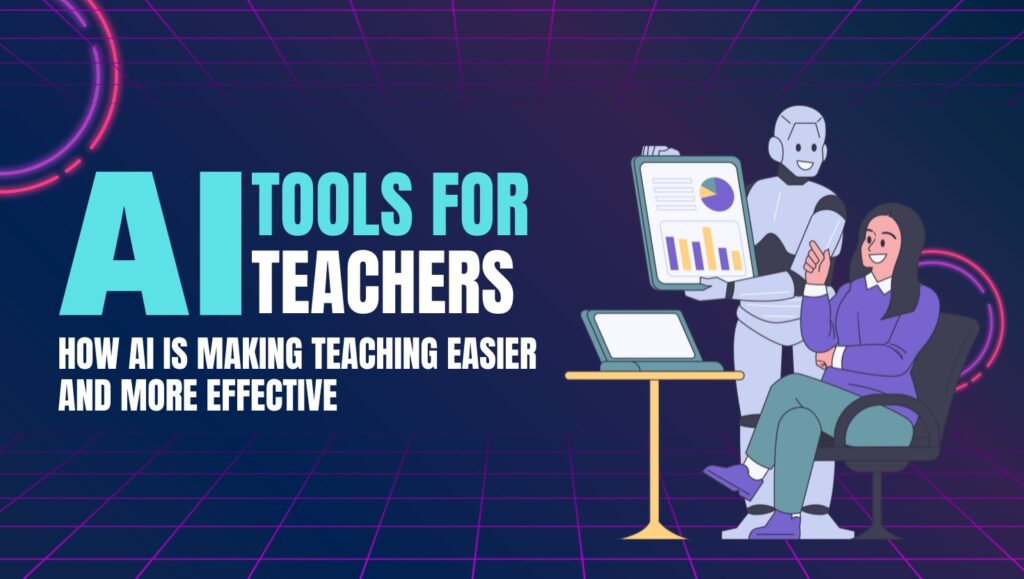
AI Tools for Teachers: How AI Is Making Teaching Easier and More Effective In today’s fast-paced world of education, teachers are constantly seeking smarter ways to manage classrooms, personalize lessons, and engage every student effectively. This is where AI tools for teachers are making a real difference. From AI-powered lesson planning tools to adaptive learning systems, artificial intelligence is reshaping modern classrooms, helping educators save time, increase productivity, and support students at every level of learning. What Are AI Tools for Teachers? AI tools for teachers are digital applications or platforms powered by artificial intelligence designed to automate, assist, and enhance various aspects of teaching and learning. These tools can: Whether you’re teaching online, in-person, or in a hybrid model, integrating AI tools in education can significantly improve both teaching effectiveness and student outcomes. How AI Helps Teachers in the Classroom Here are some practical ways AI in teaching and learning is changing the game: Personalized Learning Support AI can adapt lessons based on each student’s pace and learning style. This is especially useful for students who need extra support or advanced learners seeking challenges. Personalized learning with AI ensures no student is left behind. Faster and Smarter Assessments With AI for student assessment, teachers can generate quizzes, check answers, and analyze performance in real time. Tools like AI-powered grading apps save hours of manual checking. Efficient Lesson Planning AI lesson planning tools like MagicSchool.ai or LessonPlans.ai help generate engaging content, objectives, and activities tailored to specific grade levels and subjects. Real-time Feedback and Classroom Analytics AI-based teaching tools can monitor student engagement and provide feedback instantly, helping teachers adjust their instruction mid-lesson for maximum effectiveness. Reducing Teacher Workload One of the biggest benefits of AI for teachers is reducing their day-to-day workload. By automating repetitive tasks, AI frees up time for what really matters—interacting with and supporting students. Top AI Tools in Education Every Teacher Should Know Choosing the right tools can be overwhelming with so many options available. Whether you’re looking to automate lesson planning, simplify grading, or offer personalized learning support, there’s an AI tool designed specifically for that need. Below is a curated list of top AI tools for teachers that are widely used in classrooms and online teaching environments. These tools not only boost efficiency but also improve student engagement, making teaching more interactive, data-driven, and personalized. Explore how each of these AI-based teaching tools can support your unique teaching style and classroom requirements: AI Tool Use Case Highlight MagicSchool AI Lesson planning, rubrics, email writing 50+ AI tools in one Gradescope AI-assisted grading and assessments Speeds up evaluation Socratic by Google Homework help and explanations Student-friendly Quillionz Automatic question generation Great for assessments Knewton Alta Adaptive learning system Higher ed focused Canva for Education (with AI tools) Creative assignments and presentations Engages students visually Edmodo with AI insights Classroom collaboration Real-time performance tracking Each of these tools uses AI integration in curriculum to make teaching smarter and more impactful. Benefits of AI for Teachers Integrating AI in teaching and learning goes far beyond just using cool technology—it’s about creating smarter, more personalized, and efficient educational experiences for both teachers and students. By adopting AI-powered classroom tools, educators can shift their focus from repetitive tasks to meaningful instruction, student interaction, and continuous improvement. Whether you’re managing large classrooms, supporting students with different learning abilities, or juggling both offline and online modes of teaching, AI tools in education can help streamline your workflow and amplify your impact. Using AI-powered classroom tools isn’t just a tech upgrade—it’s a teaching upgrade. Here are some key benefits: AI in Education Examples Across Classrooms Seeing is believing—and when it comes to AI in education, real-life classroom examples show just how transformative these tools can be. Across all educational levels, teachers are using artificial intelligence in classrooms to personalize instruction, improve learning outcomes, and save time on routine tasks. Whether it’s simplifying lesson preparation or enhancing individual student support, AI is not limited to one subject, grade, or school type. It’s being embraced by educators everywhere—because it works. Here are just a few real-world AI in education examples that demonstrate its versatility and impact: These are just glimpses of how technology in education is transforming classrooms globally. Challenges and Considerations While the benefits of AI tools for teachers are exciting and impactful, integrating artificial intelligence in classrooms comes with its own set of challenges. Successful adoption requires thoughtful planning, professional development, and ethical considerations. AI should be seen as a supportive tool—not a substitute for human connection, intuition, and experience that only teachers bring to the classroom. Moreover, institutions must evaluate how these tools are implemented to ensure they’re used responsibly and effectively. Here are a few important considerations educators and schools must keep in mind: With the right balance, teaching with artificial intelligence can be incredibly empowering. Embrace AI to Teach Smarter, Not Harder AI tools for teachers are not just a trend—they’re the future of teaching. They help create smart classrooms, support differentiated learning, and improve teaching efficiency. Whether you’re an experienced educator or just starting out, incorporating AI-based teaching tools into your workflow can elevate your teaching and help every student thrive. AI Tools in Teaching FAQs Can AI replace teachers?No. AI is a support system, not a substitute. It enhances human teaching, not replaces it. Are AI tools suitable for all grade levels?Yes. From primary to higher education, there are AI solutions tailored to each stage. Is it hard to learn these AI tools?Most tools are user-friendly with quick learning curves, especially designed for educators. Want to Upskill? Explore teacher training courses that include AI integration in curriculum and get future-ready.
Why a Home Tutor Is Better Than Group Tuition in 2025
Why a Home Tutor Is Better Than Group Tuition in 2025 In 2025, the education landscape is rapidly evolving, and the debate between home tutor vs group tuition has become more relevant than ever. As parents and students aim for better academic results, flexible schedules, and personalized guidance, home tuition advantages are outshining traditional group tuition models. This article explores why home tutors are more effective than group classes and how personalized tutoring is revolutionizing student success. Home Tutor vs Group Tuition, Understanding the Core Difference The fundamental distinction between a home tutor and group tuition lies in the approach to learning. In 2025, with the rise of AI-assisted education and need-based learning, personalized tutoring is clearly taking the lead. Home Tutor vs Group Tuition: Overview Table To help you better understand the differences between home tutors and group tuition, here’s a quick comparison based on key academic and logistical factors in 2025: Feature Home Tutor Group Tuition Attention Level One-on-one, personalized attention Divided among multiple students Learning Pace Customized to the student’s speed Fixed pace for all students Schedule Flexibility Highly flexible; tutor adapts to student’s availability Fixed time slots; less adaptable Curriculum Customization Fully personalized based on student needs Follows a standard group syllabus Doubt Clarification Immediate, on-the-spot clarification Limited time for individual doubts Learning Environment Comfort of home, stress-free setting Can be distracting or overwhelming Use of Modern Tools Incorporates AI tools, e-learning aids, apps Limited use of technology in many cases Ideal For Students who need personal guidance or learning support Students who are already performing moderately well Home Tutor Benefits in 2025 Here are the top reasons why hiring a private tutor at home is a smarter choice in today’s educational environment: 1. Personalized Attention With home tuition, your child receives undivided attention. Tutors can identify knowledge gaps and tailor lessons accordingly. 2. Flexible Learning Schedule Unlike fixed group tuition timings, home tutors offer schedule flexibility, ideal for balancing schoolwork, hobbies, and rest. 3. Faster Academic Improvement Customized lesson plans lead to faster understanding and performance improvements, especially for core subjects. 4. Adaptability to Learning Styles Whether a student is a visual learner or prefers hands-on activities, home tutors adapt to the preferred learning method. 5. Safe and Comfortable Environment Learning in the comfort of home reduces stress and distractions, creating a positive academic environment. Group Tuition Limitations While group coaching centers may seem convenient, they come with several drawbacks: In the group coaching vs home tutoring debate, the limitations of group settings make a strong case for individualized learning. Why Home Tutors Are More Effective Than Group Classes in 2025 Modern-day challenges demand modern learning solutions. Here’s why home tutors are more effective than group classes in 2025: Home Tuition vs Coaching Classes: Which Is Better? While coaching classes offer structured modules, home tutoring provides the edge of adaptability. For school students needing personal focus, remedial teaching, or academic excellence, home tutors are the better choice in 2025. Looking for the best home tutor in India? Platforms like HomeShiksha connect you with verified, experienced tutors who understand your child’s academic needs. Benefits of Hiring a Personal Home Tutor for School Students Whether you choose online home tuition or face-to-face sessions, the impact of home tutoring is profound and measurable. Is Group Tuition Outdated in 2025? While not obsolete, group tuition is gradually becoming less preferred due to its rigid approach. Today’s students need dynamic learning solutions, and personalized tutoring delivers exactly that. Group classes may still work for exam crash courses, but for consistent academic growth, home tutors are the future. Frequently Asked Questions (FAQs) Q1. What is the main difference between a home tutor and group tuition? A home tutor provides one-on-one attention tailored to a student’s pace and needs, whereas group tuition often follows a fixed curriculum for multiple students. Q2. Are home tutors more effective than group tuition? Yes, studies and feedback from parents show that personalized attention from home tutors often leads to better academic improvement. Q3. Is home tutoring more expensive than group tuition? While home tuition may cost more per session, the value it provides in terms of results and individual focus often outweighs the cost. Q4. Can home tutoring help students with learning difficulties? Absolutely. Home tutors can customize teaching strategies to support children with ADHD, dyslexia, or slow learning. Q5. What are the advantages of home tuition in 2025? Key advantages include flexibility, one-on-one attention, AI-assisted learning tools, and customized lesson plans suited to modern curricula. Final Thoughts The home tutor vs group tuition debate in 2025 clearly leans in favor of home tutoring, especially when it comes to personalized tutoring, flexibility, and academic outcomes. If you’re looking to provide the best learning environment for your child, investing in a private tutor at home might be the smartest move. Looking for the right tutor? Connect with HomeShiksha today and experience the future of education.