

Top 10 Signs Your Child May Need Academic Counselling

Top 10 Signs Your Child May Need Academic Counselling In today’s competitive academic environment, children often face pressure to perform—sometimes silently. While some students thrive, others may struggle emotionally, mentally, or academically. As a parent or teacher, it’s important to recognize the early warning signs that a child may benefit from academic counselling. Thanks to online counselling for students, getting the right support has never been easier or more accessible. Top 10 Signs Your Child May Need Academic Counselling 1. Sudden Drop in Grades If your child’s performance declines noticeably across multiple subjects, it may indicate learning gaps, stress, or a loss of motivation. This drop shouldn’t be ignored—it’s often one of the earliest signs that academic counselling is needed to address the root cause. 2. Avoidance of Homework or Schoolwork Does your child keep making excuses, procrastinate regularly, or seem uninterested in completing assignments? This could stem from academic overwhelm, low confidence, or even anxiety—issues that student counselling online can effectively support. 3. Constant Complaints About School When a child frequently says things like “I hate school” or “It’s too hard,” it’s more than just frustration. These statements may reflect a deeper emotional detachment from learning, and academic counselling can help rekindle a positive learning mindset. 4. Anxiety Before Tests or Exams Panic, sleepless nights, or physical symptoms like stomach aches before exams are clear signs of academic pressure. Mental health counseling for students can provide strategies to manage test anxiety and perform better. 5. Trouble Concentrating If your child often zones out, struggles to stay focused, or gets easily distracted, it might signal a need for structured support. Online academic counselling can help students develop better attention and focus strategies. 6. Low Self-Esteem or Negative Self-Talk Phrases like “I’m not smart enough” are alarming indicators of low self-worth. Left unaddressed, this can negatively affect both academic performance and emotional development. Counselling can rebuild confidence and resilience. 7. Isolating from Friends or Activities A sudden disinterest in socializing or participating in hobbies may indicate emotional distress. This isolation might be related to academic struggles and can benefit from professional support through virtual counselling sessions. 8. Frequent Headaches or Illness Without Medical Cause Recurring physical complaints without any clear medical diagnosis often reflect psychosomatic stress from school-related pressure. Academic and emotional evaluations through online counselling for students can help uncover and resolve underlying stressors. 9. Resistance to Going to School If your child throws tantrums in the morning or pretends to be sick, it could be due to academic fear, bullying, or a lack of support. Counselling services can identify the cause and develop a plan to make school a safe and engaging space again. 10. Lack of Goal or Direction When students say they don’t know what they want to study or become in the future, it signals a need for guidance. Online guidance and counselling can help them explore interests, set goals, and create a clearer academic path. How Online Counselling for Students Can Help Student counselling online offers a safe, structured way to support children showing the signs above. Here’s how: Benefits of Online Counselling for Students: Is It Time to Consider Online Academic Counselling? If your child displays two or more of the signs above consistently, it may be time to explore online academic counselling. A qualified counsellor can identify underlying issues and create an action plan for improvement. Common Services Offered in Online Counselling: Service Purpose Study Skills Training Improves concentration, planning, and note-taking. Emotional Support Addresses anxiety, low confidence, or peer pressure. Career Guidance Helps students find clarity for future goals. Parent Counselling Guides parents on how to support their child’s journey. Recognizing the signs early and seeking timely support through online counselling for students can make a significant difference in your child’s academic and emotional journey. Whether they’re facing study challenges, stress, or just need guidance, a virtual counsellor can be a powerful ally. Academic Counselling FAQs Can academic counselling really help improve grades? Yes. Many students benefit from student counselling online, which helps them develop personalized study techniques, manage time better, and reduce academic stress. What is the difference between academic counselling and therapy? Academic counselling focuses on school performance and learning habits. Therapy, often led by an online therapist for students, deals more with emotional and mental health concerns. How are virtual counselling sessions conducted? Sessions are typically held via video call, chat, or phone, allowing flexibility and privacy for the student. When should I seek counseling for my child? If you notice persistent stress, academic decline, or emotional changes, it’s wise to consider mental health counselling for students or online academic counselling early. Is online counselling safe and confidential? Yes. Reputable platforms ensure encrypted communication and maintain strict confidentiality policies for student wellbeing.
How SMART Goal Setting Can Help Students Succeed with Home Tutors?

How SMART Goal Setting Can Help Students Succeed with Home Tutors? Success in academics doesn’t come by chance, it requires direction, planning, and consistent effort. One of the most effective strategies to achieve academic success is by setting SMART goals. When guided by a home tutor, this method becomes even more powerful. SMART goals help students set realistic targets, stay focused, and track their progress effectively. In this article, we’ll explore how SMART goals work and how personalized home tuition can transform a student’s learning experience. What Are SMART Goals? SMART is an acronym that stands for: By following this format, students create structured goals that are both motivating and manageable. For example, instead of saying, “I want to improve in science,” a SMART goal would be: “I will raise my science grade from a B to an A by practicing 30 minutes daily for three months.” Why Are SMART Goals Important for Students? SMART goals give students clarity about what they are trying to achieve. When students know exactly what they need to do, they can organize their efforts better. This structure helps reduce procrastination and anxiety, making learning more purposeful. Home tutors play a crucial role here. They break down goals into actionable steps, monitor progress, and provide personalized feedback. This partnership between student and tutor can lead to faster improvements and sustained academic growth. Benefits of SMART Goals in Education Implementing SMART goals within a learning plan offers several key benefits: 1. Improved Focus Students concentrate better when they know what they are aiming for. A goal like “Complete five algebra exercises each day” is easier to follow than a vague aim like “Get better at math.” 2. Motivation Booster Tracking small wins encourages continued effort. Tutors can use milestone achievements to reward and motivate students regularly. 3. Measurable Success Whether it’s an improvement in grades or mastering a specific topic, measurable goals help students (and their parents) see clear progress. 4. Better Time Management With a time-bound structure, students learn how to manage their schedules better, an essential life skill. Role of Home Tutors in Goal-Oriented Learning A home tutor for student success doesn’t just teach subjects—they mentor, guide, and track student progress with care. Tutors help students: By offering personalized learning with home tutors, students receive one-on-one support that classroom teaching often lacks. How to Set SMART Goals with a Home Tutor? Tips for Staying on Track with SMART Goals Common Mistakes to Avoid Tools to Help Students Stay Motivated Setting SMART goals for students is a game-changer—especially when combined with the focused attention of a home tutor. Whether it’s improving academic scores, building confidence, or learning time management, goal-oriented home tutoring empowers students to take charge of their education. At HomeShiksha, we believe in helping students reach their full potential through personalized tutoring and goal-based planning. So if you want your child to learn effectively, stay motivated, and achieve real results, it’s time to embrace SMART goals with the right tutor by your side.
Why a Home Tutor Is Better Than Group Tuition in 2025

Why a Home Tutor Is Better Than Group Tuition in 2025 In 2025, the education landscape is rapidly evolving, and the debate between home tutor vs group tuition has become more relevant than ever. As parents and students aim for better academic results, flexible schedules, and personalized guidance, home tuition advantages are outshining traditional group tuition models. This article explores why home tutors are more effective than group classes and how personalized tutoring is revolutionizing student success. Home Tutor vs Group Tuition, Understanding the Core Difference The fundamental distinction between a home tutor and group tuition lies in the approach to learning. In 2025, with the rise of AI-assisted education and need-based learning, personalized tutoring is clearly taking the lead. Home Tutor vs Group Tuition: Overview Table To help you better understand the differences between home tutors and group tuition, here’s a quick comparison based on key academic and logistical factors in 2025: Feature Home Tutor Group Tuition Attention Level One-on-one, personalized attention Divided among multiple students Learning Pace Customized to the student’s speed Fixed pace for all students Schedule Flexibility Highly flexible; tutor adapts to student’s availability Fixed time slots; less adaptable Curriculum Customization Fully personalized based on student needs Follows a standard group syllabus Doubt Clarification Immediate, on-the-spot clarification Limited time for individual doubts Learning Environment Comfort of home, stress-free setting Can be distracting or overwhelming Use of Modern Tools Incorporates AI tools, e-learning aids, apps Limited use of technology in many cases Ideal For Students who need personal guidance or learning support Students who are already performing moderately well Home Tutor Benefits in 2025 Here are the top reasons why hiring a private tutor at home is a smarter choice in today’s educational environment: 1. Personalized Attention With home tuition, your child receives undivided attention. Tutors can identify knowledge gaps and tailor lessons accordingly. 2. Flexible Learning Schedule Unlike fixed group tuition timings, home tutors offer schedule flexibility, ideal for balancing schoolwork, hobbies, and rest. 3. Faster Academic Improvement Customized lesson plans lead to faster understanding and performance improvements, especially for core subjects. 4. Adaptability to Learning Styles Whether a student is a visual learner or prefers hands-on activities, home tutors adapt to the preferred learning method. 5. Safe and Comfortable Environment Learning in the comfort of home reduces stress and distractions, creating a positive academic environment. Group Tuition Limitations While group coaching centers may seem convenient, they come with several drawbacks: In the group coaching vs home tutoring debate, the limitations of group settings make a strong case for individualized learning. Why Home Tutors Are More Effective Than Group Classes in 2025 Modern-day challenges demand modern learning solutions. Here’s why home tutors are more effective than group classes in 2025: Home Tuition vs Coaching Classes: Which Is Better? While coaching classes offer structured modules, home tutoring provides the edge of adaptability. For school students needing personal focus, remedial teaching, or academic excellence, home tutors are the better choice in 2025. Looking for the best home tutor in India? Platforms like HomeShiksha connect you with verified, experienced tutors who understand your child’s academic needs. Benefits of Hiring a Personal Home Tutor for School Students Whether you choose online home tuition or face-to-face sessions, the impact of home tutoring is profound and measurable. Is Group Tuition Outdated in 2025? While not obsolete, group tuition is gradually becoming less preferred due to its rigid approach. Today’s students need dynamic learning solutions, and personalized tutoring delivers exactly that. Group classes may still work for exam crash courses, but for consistent academic growth, home tutors are the future. Frequently Asked Questions (FAQs) Q1. What is the main difference between a home tutor and group tuition? A home tutor provides one-on-one attention tailored to a student’s pace and needs, whereas group tuition often follows a fixed curriculum for multiple students. Q2. Are home tutors more effective than group tuition? Yes, studies and feedback from parents show that personalized attention from home tutors often leads to better academic improvement. Q3. Is home tutoring more expensive than group tuition? While home tuition may cost more per session, the value it provides in terms of results and individual focus often outweighs the cost. Q4. Can home tutoring help students with learning difficulties? Absolutely. Home tutors can customize teaching strategies to support children with ADHD, dyslexia, or slow learning. Q5. What are the advantages of home tuition in 2025? Key advantages include flexibility, one-on-one attention, AI-assisted learning tools, and customized lesson plans suited to modern curricula. Final Thoughts The home tutor vs group tuition debate in 2025 clearly leans in favor of home tutoring, especially when it comes to personalized tutoring, flexibility, and academic outcomes. If you’re looking to provide the best learning environment for your child, investing in a private tutor at home might be the smartest move. Looking for the right tutor? Connect with HomeShiksha today and experience the future of education.
NEET Exam Guide, A Complete Handbook for Medical Aspirants

NEET Exam Guide, A Complete Handbook for Medical Aspirants If you’re a student dreaming of a career in medicine, this NEET Exam Guide is your ultimate resource. The National Eligibility cum Entrance Test (NEET) is the gateway for aspiring doctors across India to secure admission to undergraduate medical courses like MBBS, BDS, BAMS, BHMS, and other allied medical fields. In this comprehensive article, we’ll walk you through everything you need to know—NEET full form, eligibility criteria, syllabus, exam pattern, preparation tips, application process, important dates, result, counselling, and more. What is NEET? – NEET Full Form & Overview NEET Full Form: National Eligibility cum Entrance Test NEET (UG) is a national-level entrance exam conducted by the National Testing Agency (NTA) for medical admission to undergraduate courses in all medical institutions across India, including AIIMS and JIPMER. Introduced to streamline medical entrance examinations, NEET has now become the only standardized gateway to medical colleges in India. NEET 2025 Exam Highlights Get a quick overview of the key details of NEET UG 2025 Feature Details Exam Name NEET UG 2025 Conducting Authority National Testing Agency (NTA) Exam Mode Offline (Pen and Paper) Duration 3 Hours 20 Minutes Subjects Physics, Chemistry, Biology Total Questions 200 (180 to be attempted) Total Marks 720 Exam Frequency Once a year NEET Eligibility Criteria To apply for NEET, students must meet the following NEET eligibility criteria: NEET Exam Pattern 2025 Understanding the NEET exam pattern helps you plan your preparation better: Subject Section A (35 Qs) Section B (15 Qs, choose 10) Total Marks Physics 35 10 180 Chemistry 35 10 180 Biology 35 (Botany) + 35 (Zoology) 10 + 10 360 Marking Scheme: +4 for correct answers, -1 for incorrect Unattempted Questions: No marks deducted NEET Syllabus 2025 The NEET syllabus is based on NCERT Class 11 and 12 curriculum. Here’s a brief overview: Physics: Chemistry: Biology: Tip: Focus on NCERT textbooks—they form the base of 90% NEET questions. NEET Application Process The NEET application process includes the following steps: Ensure all information is accurate to avoid disqualification. NEET Preparation Tips – How to Crack NEET? Cracking NEET requires a smart and disciplined approach. Here are expert NEET preparation tips: Best Books for NEET UG 2025 Subject Recommended Books Physics NCERT, HC Verma, DC Pandey Chemistry NCERT, OP Tandon, Morrison and Boyd Biology NCERT, Trueman’s Biology, MTG Objective Bio NEET Coaching: Online vs Offline Many students opt for NEET coaching to get expert guidance. You can choose: Alternatively, personal NEET tutors at home offer individualized guidance to strengthen weak areas. NEET Result & Cutoff After the exam, NTA announces the NEET result on its official portal. NEET Cutoff 2024 (Expected for 2025 Reference): Category Cutoff Percentile Expected Marks General 50th 720 – 138 OBC/SC/ST 40th 137 – 108 PwD 45th 137 – 122 NEET Counselling Process The NEET counselling process is conducted by: Steps include: Keep documents like NEET scorecard, admit card, 12th marksheet, and ID proofs ready. Top Colleges Accepting NEET for Medical Admission NEET FAQs Q1. What is the NEET full form? A: NEET stands for National Eligibility cum Entrance Test. Q2. Can I apply for NEET UG if I am appearing for Class 12 in 2025? A: Yes, appearing candidates are eligible to apply. Q3. How many marks are required to crack NEET? A: A score above 650 is considered safe for top government colleges. Q4. Is coaching necessary for NEET? A: Not mandatory, but coaching or a personal NEET tutor can help improve your performance. Q5. How to crack NEET without coaching? A: Strong command over NCERT books, consistent practice, and a disciplined routine can help you crack NEET on your own. This NEET Exam Guide covers every crucial detail to help you succeed in your medical entrance journey. Stay updated with official notifications, plan your study schedule smartly, and don’t hesitate to seek help from NEET Home Tutors when needed. With the right mindset and preparation strategy, your dream of becoming a doctor is just one exam away!
Teacher Training Programs: A Complete Guide to Becoming a Qualified Teacher

Teacher Training Programs: A Complete Guide to Becoming a Qualified Teacher Becoming a teacher is a journey that blends passion, skill, and knowledge. Whether you’re looking to begin a career in education or upskill for better opportunities, teacher training Programs are essential to understanding child psychology, pedagogy, and effective classroom strategies. This guide offers a detailed overview of various teacher training programs, their types, advantages, and how you can begin your journey toward becoming a certified educator. What Are Teacher Training Programs? Teacher training programs are professional development programs that prepare individuals for roles in education. These courses cover foundational teaching techniques, classroom management, curriculum planning, and specialized strategies for working with children of different age groups and learning abilities. Types of Teacher Training Programs Teacher training is categorized into multiple streams based on the age group of students, teaching methodology, and specialization areas. 1. Diploma Courses These entry-level courses provide essential teaching skills and are ideal for beginners: 2. Postgraduate Diploma Courses Advanced programs suited for professionals or graduates looking to specialize or progress in the education sector: 3. Parenting and Teacher Workshops These short-term modules help parents and teachers better understand modern teaching methods, classroom behavior, and child development trends. Special Focus: Shadow Teacher Training A shadow teacher supports children with special educational needs (SEN) by helping them stay focused, understand instructions, and interact socially in inclusive classroom settings. Who Needs a Shadow Teacher? Children with: What the Training Covers: Benefits of Teacher Training Programs How to Choose the Right Teacher Training Course 1. Define Your Goal Decide whether you want to teach preschoolers, work in inclusive education, or enter school management. 2. Check Eligibility Requirements Most diploma courses require a 10+2 qualification, while postgraduate diplomas may require a bachelor’s degree. 3. Look for Course Accreditation Ensure the course is recognized by educational boards or teacher training authorities. 4. Consider Learning Format Choose between online live sessions, self-paced courses, or in-person training, depending on your schedule. 5. Evaluate Curriculum Look for modules that include theory, practical training, assessments, and final certification. Career Paths After Teacher Training Upon completing teacher training programs, professionals can pursue roles such as: Skills Developed Through Teacher Training Teacher Training Course FAQs Q1: What is the duration of teacher training courses? A: Diploma programs under teacher training courses typically last 6 months to 1 year, while postgraduate diplomas may take up to 18 months. Q2: Can I take these courses online? A: Yes, many institutions offer online and hybrid formats to suit learners with time constraints. Q3: Are these courses suitable for homemakers or career changers? A: Absolutely. Many people take up teacher training to begin a second career or re-enter the workforce. Q4: What is the salary after completing teacher training? A: Salaries vary by school and region, but trained teachers generally earn more than untrained ones, especially in international or private schools. Q5: Is a teaching license required after the course? A: Depending on the country or state, additional certification or licensing exams may be required. Teacher training courses are a gateway to a fulfilling and impactful career in education. Whether you aim to teach in early childhood settings, support special needs students, or take on educational leadership roles, structured training equips you with the skills and confidence to succeed. By choosing the right program, staying committed, and continuously learning, you can build a rewarding career that shapes the future—one child at a time.
Top Competitive Exams After 10th: Your Ultimate Guide to Start Early and Succeed

Top Competitive Exams After 10th: Your Ultimate Guide to Start Early and Succeed Every year, more than 3 crore students attempt various competitive exams after 10th grade to shape their futures. While some succeed, many don’t. So, what separates the winners from the rest? It’s simple — starting early. If you’re serious about your career, the best time to begin your journey is right after your 10th board exams. As you transition from secondary to higher secondary education, this is the perfect opportunity to explore your interests and identify the competitive exams that align with your career goals. Let’s explore the top 10 most-sorted competitive exams after 10th, eligibility criteria, syllabus, and expert tips to prepare like a pro. Why Start Preparing for Competitive Exams After 10th? Top 10 Competitive Exams After 10th You Must Know After completing Class 10, students have access to several competitive exams that can open doors to prestigious schools, scholarships, and career paths. Knowing about these exams early helps in making informed academic choices. This section highlights the top 10 competitive exams after 10th that students and parents should be aware of—each offering unique opportunities for future growth. 1. Kishore Vaigyanik Protsahan Yojana (KVPY) A scholarship exam by the Department of Science and Technology to encourage students interested in science and research careers. 2. National Talent Search Examination (NTSE) A prestigious national-level scholarship exam by NCERT to identify talented students. 3. Indian National Olympiad (INO) This includes subject-based olympiads in Physics, Chemistry, Biology, Astronomy, and Mathematics. 4. National Level Science Talent Search Examination (NSTSE) NSTSE evaluates conceptual understanding over rote learning. 5. Scholastic Aptitude Test (SAT) Essential for students planning to study abroad. 6. Assessment of Scholastic Skills through Educational Testing (ASSET) Diagnostic test that analyzes a student’s strengths and weaknesses. 7. International English Olympiad (IEO) Tests grammar, comprehension, and writing skills. 8. Indian Navy Matric Recruitment Perfect for students who wish to join the Indian Navy after 10th. 9. Jawahar Navodaya Vidyalaya Selection Test (JNVST) For admission to top residential schools run by the Government of India. 10. National Biotechnology Olympiad (NBO) Great for biology students interested in biotechnology. Top 5 Government Competitive Exams After 10th If you want to serve in the government sector, consider these: 1. Joint Entrance Examination (JEE) For Engineering aspirants. 2. National Eligibility Entrance Test (NEET) Gateway to Medical education. 3. National Defence Academy (NDA) Exam For students aiming for Indian Army, Navy, or Air Force. 4. Indian Maritime University CET For careers in marine engineering and nautical science. 5. NTSE – Scholarship Program Already covered above, but it’s also one of the top government-backed exams for Class 10 students. Tips to Prepare for Competitive Exams After 10th Preparing for competitive exams after 10th requires focus, planning, and the right strategy. Whether you’re aiming for entrance exams in engineering, medical, law, or other professional fields, starting early can give you a strong advantage. In this section, explore practical tips on managing your time, choosing the right study material, and staying motivated throughout your preparation journey. Know the Exam Understand the pattern, marking scheme, and eligibility thoroughly before starting your prep. Make a Study Plan Design a daily/weekly/monthly schedule with clear subject-wise targets. Use the Right Study Material Refer to NCERT books, previous year papers, and online lectures to get a solid grip. Practice Daily Solve mock tests, sample papers, and time-bound quizzes to improve speed and accuracy. Stay Consistent and Confident Consistency is the key. Avoid burnout by taking breaks and keeping your motivation high. There are a wide variety of competitive exams after 10th to help students build the career of their dreams — whether in engineering, medicine, science, defence, or international studies. The earlier you start, the better your chances of success. Take your time, explore your interests, and start preparing now to build a strong future.
Home Tuition in Summer: Why Summer is the Best Time for Home Tuition

Home Tuition in Summer: Why Summer is the Best Time for Home Tuition Looking for home tuition in summer near you? You’re not alone. Every year, thousands of parents and students take advantage of the summer holidays to catch up on academics, learn new skills, and prepare for the next academic session. Summer break is not just for vacations—it’s also the perfect time for personalized learning through home tuition. In this article, we’ll explore why summer is the best time for home tuition and how to find the right tutor for home tuition near you. Why Summer is the Best Time for Home Tuition With summer breaks comes the joy of vacations, relaxation, and a break from the academic grind. However, it also brings a unique opportunity for students to sharpen their skills, get ahead in their learning, and develop better conceptual clarity. It is the ideal time to catch up on subjects where one might be struggling. Here is why summer holidays can be the best time for home tuition: 1. No School Pressure, More Focused Learning Without the pressure of regular school hours, exams, and homework, students are more relaxed during summer. This creates an ideal environment for tuition sessions at home where learning can be more effective and enjoyable. 2. Bridge the Learning Gap Summer is the best time to address academic gaps from the previous year. Whether it’s Math, Science, English, or another subject, a tutor for home can personalize lessons to strengthen weak areas and boost confidence. 3. Prepare for the Next Academic Year Home tuition during summer helps students get a head start on next year’s syllabus. This proactive approach ensures they begin the school year ahead of their peers, reducing stress and increasing performance. 4. Prevent Summer Learning Loss Studies show that students can forget up to 30% of what they learned during the school year over summer. Regular sessions with a tutor for home tuition help retain academic skills and ensure continuous growth. Benefits of Hiring a Tutor for Home in Summer Whether your child is struggling with a subject or wants to explore advanced topics, hiring a tutor at home during summer can make a big difference. How to Find the Right Home Tuition in Summer Near Me Here are a few tips to find the perfect summer home tuition near me: Best Subjects for Summer Home Tuition Enriching Learning Through Online Summer Camps Along with home tuition, many parents explore options like the online summer camp for kids to make the break both productive and enjoyable. These camps often include creative activities, coding, storytelling, art, public speaking, and more—helping children learn valuable skills beyond academics. By combining structured tutoring with an engaging online summer camp, students experience holistic development, improve soft skills, and return to school confident and inspired. The summer holiday is a golden opportunity to make learning fun, flexible, and focused with home tuition. Whether you need a tutor for home, a tutor at home, or are exploring affordable summer tuition classes, taking action now will pay off when school reopens. So, don’t wait! Start your search for home tuition in summer near me and give your child the academic advantage they deserve. Ready to book your first session? Get in touch with experienced and verified tutors for home tuition in your area through Homeshiksha and make this summer count!
Need a Shadow Teacher or Special Educator Near Me? Here’s What You Should Know Before You Make a Decision!
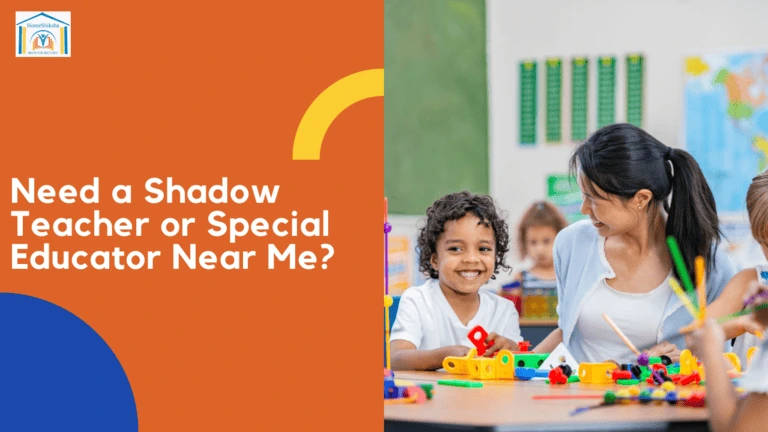
Need a Shadow Teacher or Special Educator Near Me? Here’s What You Should Know Before You Make a Decision! When it comes to educating a child with special needs, choosing the right support is crucial. You may have heard the term shadow teacher or special educator tossed around, but what do these terms really mean? And, more importantly, why might you need a special educator—but not just any educator? In this article, we’ll explore why your child may benefit from a shadow teacher or a special educator near me, how they differ from traditional teachers, and why finding the right fit is essential for their academic and emotional growth. What Is a Shadow Teacher and Why Does Your Child Need One? A shadow teacher is not just a classroom assistant. Instead, they work directly with a student to provide personalized support that helps them succeed in a mainstream classroom. If your child struggles with focus, socialization, or specific learning disabilities, a shadow teacher can be a game-changer. But not all shadow teachers are alike. It’s important to understand that a shadow teacher needs to possess the skills and experience required to support your child’s unique needs. Simply hiring someone with the right qualifications isn’t enough. You must find someone who can tailor their approach to your child’s learning style, helping them thrive in their academic environment. The Role of a Special Educator – More Than Just a Teacher Now, let’s look at special educators. These professionals are specially trained to teach students with diverse learning needs, whether it’s autism, ADHD, dyslexia, or any number of other challenges. Special educators are experts in creating customized lesson plans and strategies that cater to each student’s strengths and weaknesses. However, like shadow teachers, not all special educators are the same. You may have searched “special educator near me,” but how do you ensure that the educator you find is truly capable of meeting your child’s needs? The reality is that finding a special educator who is experienced and effective can be difficult. It’s crucial to assess not only their qualifications but also their ability to work with your child’s specific needs. Why Choosing the Right Special Educator Is Critical for Your Child’s Success When searching for a special educator near me, it’s important to consider several factors. Not every teacher has the training or experience necessary to meet the demands of children with special needs. A special educator who works well with one student may not be the right fit for another. That’s why you need to ask the right questions and thoroughly vet any potential candidates before making a decision. Key Factors to Consider When Choosing a Special Educator Experience and ExpertiseA qualified special educator should have experience working with children who share your child’s challenges. Whether it’s behavioral issues, learning disabilities, or developmental delays, the educator’s experience should match your child’s unique needs. Personalized ApproachGreat educators don’t just follow a standard curriculum. They customize lesson plans, teaching styles, and behavior management strategies to fit each individual student. Be sure to find someone who is flexible and understands that your child may need different approaches to succeed. Compatibility with Your Child’s PersonalityJust like any teacher, a shadow teacher or special educator needs to form a positive, trusting relationship with your child. A professional who is empathetic and patient can create a safe, supportive learning environment that encourages growth. Location and AccessibilitySearching for a special educator near me? Proximity is important, but accessibility to specialized resources, support, and programs may matter more in the long run. Ensure the educator you hire can access the resources your child requires. The Bottom Line: Finding the Right Professional Could Change Your Child’s Life Choosing the right shadow teacher or special educator is not a decision to take lightly. The right person will help your child excel academically, emotionally, and socially. The wrong fit, however, could result in frustration and missed opportunities.When searching for a special educator near me, don’t settle for someone who simply fits the title. Take the time to find a professional who understands your child’s needs and can help unlock their full potential.
Struggling with Your Child’s Math Homework? 7 Easy Ways to Make It Stress-Free!

7 Ways to Help Your Kids with Math Homework Mathematics can be challenging for many kids, and helping them with their math homework can often feel overwhelming for parents. However, with the right approach, you can turn math homework into a stress-free and enjoyable experience for your child. Here are seven effective ways to help kids with math homework while making learning fun and engaging. 1. Create a Positive Learning Environment A dedicated and distraction-free space for math homework can significantly improve focus and understanding. Ensure the area is well-lit and stocked with necessary supplies like pencils, erasers, rulers, and a calculator. A calm and positive atmosphere helps reduce math anxiety in children and encourages them to approach problems with confidence. 2. Encourage a Growth Mindset Many children struggle with math because they believe they are “not good at it.” Encourage a growth mindset by emphasizing that math skills improve with practice and persistence. Celebrate their efforts, not just their achievements, and remind them that mistakes are learning opportunities. 3. Use Real-Life Applications Relating math problems to real-world scenarios can make learning more relatable and fun. For example: By incorporating math into daily life, children understand its practical importance and develop a natural interest in learning. 4. Break Down Complex Problems Children often struggle with math homework because problems seem too complex. Breaking problems into smaller steps can make them more manageable. Guide your child through each step, ensuring they understand the logic before moving to the next part. This method is particularly helpful in subjects like fractions and algebra. 5. Use Visual Aids and Manipulatives Visual aids such as number lines, charts, and diagrams can help children grasp math concepts more easily. You can also use: Using tangible and visual tools makes abstract math concepts easier to understand. These tools make learning interactive and enjoyable while reinforcing key concepts. Playing math-based board games like Monopoly or Sudoku can also improve problem-solving skills. 6. Communicate with Teachers Maintaining an open line of communication with your child’s math teacher is crucial for their progress. If your child is struggling, reach out to the teacher for insights and recommendations. They can suggest specific areas to focus on and provide additional resources for at-home learning. 7- Join Counselling Sessions & Hire a Home Tutor from HomeShiksha Counselling sessions can help parents choose the right syllabus for their pre-primary child and provide academic guidance for students in 10th, 12th, and other grades. If your child struggles with math homework, hiring an accomplished home tutor can offer personalized support, breaking down complex problems and using engaging methods like visual aids and real-life examples to enhance understanding. Platforms like HomeShiksha provide expert tutors and counselling services, ensuring children receive the right educational support, including assistance in finding the best inclusive schools for special kids. FAQs How can parents effectively help kids with math homework? Parents can create a structured learning environment, encourage a positive mindset, use real-life applications, and break down complex problems to make math more accessible for children. What are the best ways to reduce math anxiety in children? Encouraging a growth mindset, using fun learning tools, and celebrating small achievements can help reduce math anxiety in children. How to explain math problems to kids in a simple way? Using step-by-step breakdowns, visual aids, and relatable examples can make math problems easier for children to understand. What online resources are best for helping kids with math? Websites like homeshiksha offer excellent interactive resources for math learning. How can parents support their child’s math education at home? Parents can support learning by making math a part of daily activities, encouraging practice, and communicating with teachers for guidance. What should I do if my child is struggling with math concepts? Identify specific areas of difficulty, use interactive tools, and consider tutoring or additional practice exercises to strengthen their understanding. How to make math fun and engaging for kids? Incorporating games, hands-on activities, and real-world applications can make math learning enjoyable. What are some effective teaching strategies for math at home? Using storytelling, visual aids, practical applications, and patience while teaching math concepts can improve comprehension. How to communicate with teachers about my child’s math progress? Regularly attending parent-teacher meetings, asking for feedback, and requesting additional resources can help parents stay involved in their child’s math education. By following these seven strategies, parents can effectively help kids with math homework while making the learning process stress-free and engaging. Encouraging curiosity, persistence, and fun in math will set the foundation for your child’s long-term success.
Do’s & Don’ts to Crack CBSE Class 12 Boards

Are you a class 12th student or a parent of a class 12th student?