

Inclusive Education in India: How Personalised Learning Support Can Help Every Child
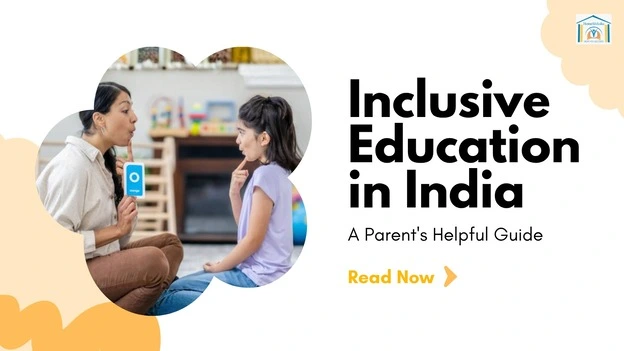
Every parent wants their child to enjoy school, make friends, and learn things with confidence. However, as a parent, you must be aware that not every child learns in the same way. Some children may need a little extra help from their teachers to understand lessons or follow classroom routines. Sometimes, they need help to communicate with teachers and classmates. In such cases, learning about Inclusive Education in India becomes important.
The concept of inclusive education gives every child the chance to study in the same classroom. Whether it is a child with disabilities or different learning needs, they can learn in a regular school and take part in everyday school activities. To make this possible, many parents and schools can get help from professionals such as Shadow Teachers for Special Needs, Learning Support Teachers (LSTs), Resource Teachers, and Remedial Educators.
What Is Inclusive Education in India?
Inclusive education means giving every child the chance to learn in the same classroom, even if they have a disability or different learning needs. Instead of teaching children with special needs separately, schools try to provide the extra support they need so they can learn with their classmates.
The Government of India also supports this approach through the National Education Policy (NEP) 2020 and the Rights of Persons with Disabilities (RPwD) Act, 2016. Furthermore, these initiatives help schools to make education accessible for all children and provide equal learning opportunities, regardless of their abilities.
Those who want help can find official information about it through the Ministry of Education and the Department of Empowerment of Persons with Disabilities.
According to the latest UDISE+ report published by the Ministry of Education, more than 18.4 lakh Children with Special Needs (CWSN) are enrolled at the elementary level, while nearly 4 lakh students are studying at the secondary level. In addition, the report also shows that 71.84% of schools have ramps that are a great help for children with disabilities.
Why Some Students Need Personalised Learning Support
As a parent, every child has a unique way of learning. Some students understand lessons through regular classroom teaching. However, some students may need additional help from their teachers or tutors to keep pace with daily learning.
Moreover, children with the following conditions may need personalised guidance:
- Autism Spectrum Disorder (ASD)
- ADHD
- Dyslexia
- Learning disabilities
- Developmental delays
- Speech and language difficulties
- Behavioural or emotional challenges
Furthermore, the purpose of personalised support is not to complete tasks for the child. Instead, it helps children understand concepts in an independent manner while taking part actively in classroom life.
How Different Learning Support Professionals Help Children Learn Better
Schools and learning centres may use different titles for professionals who support children with diverse learning needs. Understanding these roles can help parents choose the right support for their child. Here are different types of learning support professionals for children with special conditions:
| Learning Support Professionals | ||
|---|---|---|
| Learning Support Professional | How They Help Children | When They May Be Needed |
| Shadow Teacher | Stays with the child in the classroom and helps them understand lessons, follow instructions, and take part in school activities. | Children with autism, ADHD, developmental delays, or those who need regular support in school. |
| Learning Support Teacher (LST) | Gives extra help in studies and classroom activities to children who find learning difficult. | Children who need additional support in one or more subjects. |
| Inclusion Teacher | Helps children with special needs learn comfortably with other students in the same classroom. | Children studying in inclusive or mainstream schools. |
| Resource Teacher | Works with children individually or in small groups to improve learning and communication skills. | Children who need extra attention beyond regular classroom teaching. |
| Learning Support Educator | Creates a learning plan based on the child’s needs and works with parents and teachers. | Children who need personalised learning support, especially in private or international schools. |
| Remedial Educator | Helps children improve reading, writing, spelling, and maths through simple teaching methods. | Children with learning disabilities or those who are behind in their studies. |
| Behavior Support Teacher | Helps children improve their behaviour, emotions, social skills, and confidence. | Children who find it difficult to manage emotions or interact with others. |
| Intervention Teacher | Provides extra support in a specific subject or skill before the child falls further behind. | Children who need short-term help in a particular learning area. |
In many cases, schools, parents, therapists, and learning support professionals need to work together to help children learn in a comfortable manner. They also help children participate actively in classroom activities. Hence, a combined approach can give children the confidence to achieve both academic and personal milestones in a convenient style.
Benefits of Choosing Personalised Learning Assistance for Your Children
When children receive academic support based on their own requirements, they can learn things in a more meaningful and enjoyable manner. They can get the following benefits by learning from tutors or home tutors:
They can participate in the classroom in a better way
Some children hesitate to answer questions or join classroom activities because they find it difficult to follow lessons. With the help of the right home tutor, they can understand instructions better, participate in class, and feel more comfortable learning with their classmates.
Children can build self-confidence with the help of personalised tutors
When children start completing small tasks on their own, they feel proud of themselves. These small successes motivate them to try new things, ask questions, and take part in both studies and school activities with more confidence.
They can perform better in their academics
A Learning Support Teacher (LST) or Remedial Educator teaches according to the child’s learning style. They can explain difficult topics in a simpler style. Hence, it helps children improve their reading, writing, mathematics, and overall understanding of subjects.
Improves Communication and Social Skills
Some children find it difficult to talk with teachers or make friends. With regular guidance and practice with the help of home tutors, they can learn to express themselves better, communicate with confidence, and build positive relationships with classmates.
Helps Parents and Teachers Work Together
Children make better progress when parents, teachers, and learning support professionals stay connected. As a parent, you can easily discuss the strengths, difficulties, and progress of the child. In this way, everyone can work together towards the same learning goals and provide the support the child needs.
How HomeShiksha Supports Inclusive Education in India
As people become more aware of Inclusive Education in India, many parents search for experienced professionals who can provide personalised learning support to the children.
In addition, HomeShiksha helps families choose qualified Shadow Teachers for Special Needs, Learning Support Teachers, Resource Teachers, Remedial Educators, and other experienced professionals for their children. This helps parents to search for suitable support without spending time searching through multiple sources.
As inclusive education is being promoted expand across India, coordination between parents, schools, and trained learning support professionals is also important. Additionally, platforms such as HomeShiksha can make this journey easier by helping families find educators. Thus, it can complement classroom learning and support children’s overall development.
Inclusive Education in India FAQs:
What is Inclusive Education in India?
Inclusive education means all children, including those with special needs, learn together in the same classroom with the support they need.
Who needs a Shadow Teacher for Special Needs?
Children with autism, ADHD, learning disabilities, developmental delays, or behavioural challenges may need a shadow teacher for classroom support.
What is the difference between a Shadow Teacher and a Learning Support Teacher?
A Shadow Teacher supports one child individually, while a Learning Support Teacher helps students who need extra academic or behavioural support.
Which government initiatives support Inclusive Education in India?
The National Education Policy (NEP) 2020, the Rights of Persons with Disabilities (RPwD) Act, 2016, and Samagra Shiksha promote inclusive education in India.
How can parents find the right learning support professional?
Parents should understand their child’s needs, check the educator’s qualifications and experience, and choose someone who can support their child’s learning comfortably. Platforms like HomeShiksha can also help parents connect with experienced learning support professionals.